When emergencies arise, the first few moments are critical. Immediate action can often prevent further injury and save lives. Whether you’re at home, work, or out and about, knowing basic first aid can empower you to act confidently in various situations. Here’s a rundown of the essential first aid skills everyone should be familiar with:

1. Understanding CPR (Cardiopulmonary Resuscitation)
Why It’s Important: CPR can double or triple a person’s chance of survival after cardiac arrest. It’s a life-saving technique that maintains circulation until emergency medical personnel arrive.
How to Perform CPR:
- Adults and Older Children:
- Step 1: Call 911 if the person is unresponsive.
- Step 2: Place the heel of one hand on the center of the person’s chest. Place your other hand on top and interlock your fingers.
- Step 3: With your elbows locked, use your body weight to compress the chest at least 2 inches deep at a rate of 100 to 120 compressions per minute.
- Step 4: Continue until help arrives or the person starts breathing.
- Infants:
- Step 1: Call 911.
- Step 2: Use two fingers to compress the breastbone gently.
- Step 3: Compress about 1.5 inches at a rate of 100 to 120 compressions per minute.
- Step 4: Continue until help arrives or the infant starts breathing.
Note: CPR training courses often provide practice and feedback on technique, which can be invaluable.
2. The Heimlich Maneuver for Choking
Why It’s Important: Choking can quickly become life-threatening if not addressed immediately. The Heimlich Maneuver can dislodge objects obstructing the airway.
How to Perform the Heimlich Maneuver:
- Adults and Children Over 1 Year:
- Step 1: Stand behind the person and wrap your arms around their waist.
- Step 2: Make a fist with one hand and place it just above the navel.
- Step 3: Grasp your fist with the other hand and deliver quick, upward thrusts.
- Step 4: Repeat until the object is expelled.
- Infants Under 1 Year:
- Step 1: Hold the infant face-down on your forearm, supporting their head.
- Step 2: Give up to five back blows between the shoulder blades with the heel of your hand.
- Step 3: If the object does not dislodge, turn the infant over and give up to five chest thrusts using two fingers.
3. Treating Cuts and Scrapes
Why It’s Important: Properly cleaning and bandaging cuts and scrapes can prevent infection and promote healing.
Steps to Treat Cuts and Scrapes:
- Step 1: Wash your hands to prevent infection.
- Step 2: Clean the wound under running water to remove dirt and debris.
- Step 3: Apply an antiseptic ointment if available.
- Step 4: Cover the wound with a sterile bandage.
- Step 5: Change the bandage daily or whenever it becomes wet or dirty.
Note: Seek medical attention if the wound is deep, won’t stop bleeding, or shows signs of infection (redness, swelling, warmth).
4. Handling Sprains and Strains
Why It’s Important: Prompt treatment can reduce swelling and pain in sprains and strains, common injuries from falls or accidents.
Steps to Treat Sprains and Strains (R.I.C.E. Method):
- Rest: Avoid using the injured area to prevent further damage.
- Ice: Apply a cold pack for 15-20 minutes every 2-3 hours to reduce swelling.
- Compression: Wrap the area with an elastic bandage to provide support and decrease swelling.
- Elevation: Keep the injured area raised above heart level as much as possible.
Note: If severe pain or swelling persists, seek medical evaluation.
5. Recognizing and Responding to Shock
Why It’s Important: Shock can occur after severe injury or illness and requires immediate attention.
Signs of Shock:
- Pale, cold, and clammy skin
- Rapid, weak pulse
- Shallow breathing
- Confusion or weakness
Steps to Respond to Shock:
- Step 1: Call 911 immediately.
- Step 2: Lay the person down and elevate their legs if possible.
- Step 3: Keep the person warm with blankets or clothing.
- Step 4: Do not give the person anything to eat or drink.
- Step 5: Stay with the person until help arrives, providing reassurance and comfort.
6. Managing Burns
Why It’s Important: Properly treating burns can prevent infection and minimize pain and scarring.
Steps to Treat Burns:
- Minor Burns:
- Step 1: Cool the burn under running water for at least 10 minutes.
- Step 2: Cover with a sterile, non-adhesive bandage.
- Step 3: Avoid applying ice, butter, or ointments.
- Severe Burns:
- Step 1: Call 911 immediately.
- Step 2: Cover the burn with a clean cloth or bandage.
- Step 3: Avoid immersing the burn in water.
- Step 4: Do not remove clothing stuck to the burn.
7. Dealing with Fractures
Why It’s Important: Proper immobilization of a fracture can prevent further injury and reduce pain.
Steps to Respond to Fractures:
- Step 1: Call 911 or seek emergency medical help.
- Step 2: Keep the injured area immobilized and do not attempt to realign the bone.
- Step 3: Apply a splint or use a makeshift splint (such as a rolled-up magazine) to stabilize the area.
- Step 4: Apply ice packs to reduce swelling, but do not apply directly to the skin.
- Step 5: Elevate the injured limb if possible.
8. Recognizing and Treating Heat Exhaustion
Why It’s Important: Heat exhaustion can lead to heat stroke, a life-threatening condition, if not addressed promptly.
Signs of Heat Exhaustion:
- Heavy sweating
- Weakness or fatigue
- Dizziness or fainting
- Nausea or vomiting
- Rapid pulse
Steps to Treat Heat Exhaustion:
- Step 1: Move the person to a cooler environment.
- Step 2: Remove excess clothing.
- Step 3: Provide cool water or sports drinks if the person is conscious.
- Step 4: Use cool, wet cloths or a fan to lower body temperature.
- Step 5: Seek medical help if symptoms persist or worsen.
FAQs About Basic First Aid
1. What should I have in my first aid kit?
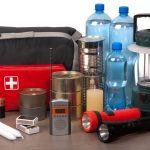
A well-stocked first aid kit should include adhesive bandages, gauze, antiseptic wipes, tweezers, scissors, pain relievers, sterile gloves, and an emergency blanket. It’s also helpful to include a first aid manual for quick reference.
2. How often should I refresh my first aid skills?
It’s a good idea to refresh your first aid skills every two years. Regular refresher courses can help you stay updated with the latest techniques and guidelines.
3. Can I perform CPR if I’m not trained?
Yes, if you are not trained, performing chest compressions only (hands-only CPR) can still be effective until help arrives. Call 911 for guidance if you’re unsure.
4. What’s the difference between heat exhaustion and heat stroke?
Heat exhaustion involves heavy sweating and weakness, while heat stroke includes symptoms like confusion, a body temperature above 103°F (39.4°C), and dry skin. Heat stroke requires immediate medical attention.
5. Should I move someone with a suspected spinal injury?
No, avoid moving someone with a suspected spinal injury unless they are in immediate danger. Call 911 and keep the person still until professional help arrives.
6. How can I recognize an allergic reaction?
Signs of an allergic reaction can include swelling, hives, difficulty breathing, and abdominal pain. In severe cases (anaphylaxis), use an EpiPen if available and call 911.
7. When should I seek professional medical help for a cut or scrape?
Seek medical attention if the cut is deep, won’t stop bleeding, shows signs of infection, or if you haven’t had a tetanus shot in the last five years.
8. What if a choking victim becomes unconscious?
If a choking victim becomes unconscious, call 911 immediately and begin CPR. Continue until help arrives or the object is expelled.
9. Can I treat burns with ice?
No, applying ice to burns can cause further damage to the skin. Instead, use cool running water to soothe the burn.
10. What should I do if someone is having a seizure?
Keep the person safe by removing nearby objects and placing them on their side. Do not put anything in their mouth. Call 911 if the seizure lasts longer than five minutes or if it’s their first seizure.
Basic First Aid Everyone Should Know
Learning and practicing these basic first aid skills is essential for everyone. Not only do they prepare you to assist in emergencies, but they also give you the confidence to take control in critical situations. Consider enrolling in a certified first aid course to gain hands-on experience and stay updated with the latest techniques. Remember, being prepared can make all the difference when seconds count.
Disclaimer
This article is intended for informational purposes only and is not a substitute for professional medical advice, diagnosis, or treatment. Always seek the advice of your physician or other qualified health provider with any questions you may have regarding a medical condition. In case of an emergency, call 911 immediately.