Emergencies can strike without warning, whether it’s a natural disaster, power outage, or any other unexpected event. Being prepared is essential for ensuring the safety and well-being of your family and neighbors. One of the most effective ways to be ready is by organizing a neighborhood emergency plan. This guide will walk you through the steps to create a coordinated response that can save lives and property.

Why Organize a Neighborhood Emergency Plan?
When disaster strikes, local services can quickly become overwhelmed. In these moments, a well-organized neighborhood emergency plan can:
- Improve response time: Neighbors are often the first to respond in emergencies.
- Ensure everyone’s safety: A plan helps account for vulnerable neighbors, like the elderly or those with special needs.
- Share resources: Pooling resources such as tools, food, or generators can make a huge difference.
- Foster community resilience: Stronger connections within the neighborhood can help everyone recover more quickly.
The Importance of Knowing Your Neighbors When Disasters Strike – the Imperfectly Happy home
Step-by-Step Guide to Organizing a Neighborhood Emergency Plan
1. Gather a Team of Volunteers
The first step is to identify key members of your community who are willing to help organize and implement the emergency plan. Create a small team of trusted neighbors who can assist with the following tasks:
- Identifying special needs households
- Collecting and storing emergency supplies
- Coordinating communication channels
- Organizing skills and resources within the neighborhood (e.g., medical training, tool-sharing, etc.)
It’s essential to get buy-in from neighbors early on and ensure that roles are clearly defined.
2. Assess Potential Risks in Your Area
Every neighborhood faces different types of risks. Common emergencies may include:
- Natural disasters (hurricanes, earthquakes, floods, etc.)
- Power outages
- Extreme weather (heatwaves, blizzards)
- Wildfires
- Gas leaks
Assess your local area and identify the most likely risks. This will help shape your emergency plan by prioritizing specific threats.
3. Create a Neighborhood Contact List
Communication is crucial during an emergency. One of the first things to establish is a neighborhood contact list, including:
- Names and addresses of neighbors
- Phone numbers (landline and mobile)
- Email addresses
- Emergency contacts outside the neighborhood
Ensure that every household receives a copy of this list, either digitally or in print. Consider using a group messaging app or email list for real-time updates.
4. Set Up an Emergency Meeting Point
Designate a safe meeting point where neighbors can gather in case of an emergency. This location should be:
- Centrally located within the neighborhood
- Safe from potential hazards (e.g., away from flood-prone areas or downed power lines)
- Large enough to accommodate a significant number of people
Additionally, create a secondary meeting point in case the primary location is inaccessible.
5. Assign Roles and Responsibilities
To ensure efficiency, assign roles to specific individuals based on their skills and resources. Roles might include:
- Communication Coordinator: Sends out alerts and updates.
- Medical Coordinator: Organizes first aid and medical assistance.
- Logistics Coordinator: Manages supplies like food, water, and shelter.
- Security Coordinator: Ensures safety and assists with evacuation if necessary.
Each role should have a backup in case the primary individual is unavailable.
6. Stockpile Neighborhood Emergency Supplies
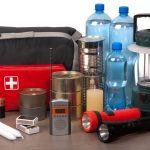
While individual households should have their own emergency kits, it’s also helpful to have communal resources stored in a central location. Key items to consider include:
- First aid kits
- Flashlights and batteries
- Non-perishable food and bottled water
- Blankets and warm clothing
- Tools (wrenches, crowbars, etc.)
- Portable generators
Consider investing in emergency solar-powered lanterns and portable first aid kits for communal use.
7. Practice the Plan
Once your neighborhood emergency plan is established, it’s important to practice it regularly. Set up bi-annual or annual drills to:
- Review meeting points
- Test communication channels
- Ensure all neighbors understand their roles
This will help identify any weaknesses in the plan and ensure that everyone knows what to do in a real emergency.
FAQ: Neighborhood Emergency Plan
Q: What should I include in a personal emergency kit?
A basic emergency kit should include non-perishable food, bottled water, medications, a flashlight, batteries, and a first aid kit. For a more detailed list, you can check out this emergency preparedness checklist.
Q: How can we ensure vulnerable neighbors are accounted for?
Assign a neighbor to check in on those who may need extra assistance, such as the elderly, disabled, or those with young children. Include this in your neighborhood contact list, and make sure everyone knows who is responsible.
Q: What are some essential items to stockpile as a community?
Your neighborhood should stockpile first aid supplies, blankets, batteries, flashlights, tools, and emergency food. Consider pooling funds to purchase a portable generator or emergency water filtration system.
Q: How often should we practice our emergency plan?
Ideally, your neighborhood should conduct emergency drills at least once or twice a year. This keeps the plan fresh in everyone’s mind and helps identify any areas that need improvement.
Other Recommended Emergency Products
Here are some products you can use to enhance your neighborhood’s emergency preparedness. These are great investments for both individual and community use:
- Survival Medicine Book: When there are no doctors in emergencies.
- Emergency Water Filtration System: Ensure access to clean water when supplies are limited.
- Portable Generator: One that is easier to take with you as needed.
- Hand-Crank Emergency Radio: Stay informed with news updates when other communication channels are down.
Organize a Neighborhood Emergency Plan
Organizing a neighborhood emergency plan may seem like a daunting task, but it can be lifesaving when disaster strikes. By bringing your neighbors together, assessing risks, establishing communication, and preparing supplies, your community will be better equipped to face any crisis.
Taking the time now to organize and practice your plan can make all the difference when an emergency arises. Start today by gathering a group of willing neighbors and taking the first step toward a safer, more resilient community!