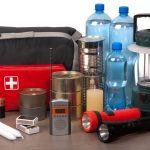
When it comes to preparedness, we often prioritize essentials like water, canned goods, and medical supplies. However, there’s an often-overlooked staple that deserves more attention: sugar. While it may seem like an indulgence, sugar plays several critical roles that make it an invaluable component of any emergency stockpile. From its uses in food preservation and medicinal purposes to its morale-boosting properties, sugar is a versatile and practical addition to your preparedness plan.

1. Food Preservation
Sugar is a powerhouse when it comes to food preservation. It can be used to create jams, jellies, and preserves, allowing you to extend the shelf life of fruits and some vegetables. In a crisis where fresh produce might be scarce, having a variety of preserved foods can make a significant difference in maintaining a balanced diet.
Additionally, sugar acts as a preservative in homemade dehydration processes. By sprinkling a little sugar on fruits before dehydrating them, you can help maintain their flavor and texture, making them more palatable and enjoyable to eat. This method not only enhances taste but also contributes to better food security.
2. Medical Uses
Sugar has several medicinal uses that can be crucial in a survival situation. Historically, sugar has been used to help heal wounds by drawing moisture out and creating an environment that inhibits bacterial growth. This can be particularly useful when access to medical supplies is limited.
Furthermore, sugar can provide a quick energy boost for someone experiencing hypoglycemia (low blood sugar). For individuals with diabetes or those who might exert themselves heavily during emergency situations, having sugar on hand can be life-saving.
3. Energy Source
Physical exertion is likely in an emergency—whether it’s moving supplies, building shelter, or maintaining day-to-day activities. Sugar, being a simple carbohydrate, is quickly converted into glucose by the body, providing an immediate source of fuel for your muscles and brain.
When combined with other foods, sugar can enhance the caloric intake of meals, ensuring that you have the energy necessary to endure prolonged periods of activity. For instance, adding sugar to grains or other starchy foods can increase their energy content, which is particularly beneficial in a long-term survival scenario.
4. Morale Booster
Maintaining morale during crises is as important as meeting physical needs. A stash of sugar allows you to create comforting treats like cookies, cakes, or a sweet cup of tea. These small luxuries can provide a significant psychological boost, helping to keep spirits high and provide a sense of normalcy.
The comfort provided by sweet treats can be especially important for children, who may find the disruptions to their routine and environment particularly distressing. A small piece of candy or a homemade treat can offer much-needed comfort and security.
5. Versatility in Cooking
Sugar’s versatility in cooking cannot be overstated. It can be used to balance flavors in savory dishes, enhance the taste of fruits and vegetables, and create a variety of baked goods and sweets. This versatility ensures that your meals remain varied and enjoyable, even when working with a limited supply of ingredients.
In emergency situations, where creativity in meal preparation can make a big difference, having sugar on hand allows for a wider range of culinary possibilities. This can prevent food fatigue, which is common when eating the same meals repeatedly, and help ensure that everyone in your household maintains their energy levels.
6. Long Shelf Life
Sugar has an incredibly long shelf life when stored properly, making it a practical choice for long-term storage. If kept in a cool, dry place and sealed in an airtight container, sugar can last indefinitely. This makes it a reliable staple that you can store without worrying about it spoiling over time.
7. Trade and Barter
In a prolonged crisis, trade and barter can become essential for acquiring goods and services. Sugar, being a valuable commodity, can serve as an excellent bartering item. Its desirability for various uses ensures that it will always be in demand, giving you a useful bargaining chip in exchange for other necessities.
Tips for Long-Term Storage of Sugar
Proper storage is essential to maintain the quality and usability of your sugar stockpile. Here are some tips to ensure your sugar stays fresh and usable for the long term:
- Choose the Right Container: Store sugar in food-grade, airtight containers. This will protect it from moisture, pests, and contaminants. Mylar bags with oxygen absorbers can also be an excellent option for long-term storage.
- Keep It Dry: Sugar absorbs moisture from the air, which can cause it to clump and harden. Store sugar in a cool, dry place to prevent this. Avoid basements or other areas prone to dampness.
- Avoid Odors: Sugar can absorb odors from other foods and substances. Store it away from items with strong smells, such as spices, chemicals, or cleaning supplies.
- Label and Rotate: Label your containers with the date of storage to keep track of how long they’ve been stored. Practice rotating your stockpile by using the oldest sugar first and replacing it with fresh supplies.
- Regular Checks: Periodically check your sugar storage for any signs of contamination or moisture. If you notice any issues, address them immediately to prevent spoilage.
Stockpiling Sugar
Incorporating sugar into your emergency preparedness plan is a smart move that offers a range of benefits. From preserving food and providing quick energy to boosting morale and serving as a valuable trade item, sugar is a versatile and indispensable resource.
Ensuring that you have a sufficient supply of sugar can enhance your ability to navigate and endure challenging times, making it a sweet necessity in any well-rounded stockpile. So, as you prepare for the unexpected, don’t forget to add sugar to your list of must-have items—it’s an essential ingredient for both survival and comfort.