Essential homesteading skills to practice this fall. Autumn brings a unique opportunity to hone your homesteading skills as you prepare for the colder months ahead. Whether you’re new to homesteading or have been at it for years, there are a few key tasks that align perfectly with the season. These essential skills will help you become more self-sufficient while making the most of autumn’s resources.

1. Preserving Your Fall Harvest
Autumn is often the last chance to gather the remaining bounty from your garden, and preserving it ensures you’ll have nutritious, homegrown food throughout the winter. Whether it’s canning, freezing, or dehydrating, food preservation is an essential homesteading skill.
- Tip: Start with easy-to-preserve items like apples and tomatoes. If you’re new to canning, try making a simple applesauce or tomato sauce to store for the colder months.
Canning Archives – the Imperfectly Happy home
2. Composting Fall Leaves for Spring Gardening
While you’re raking up all those fallen leaves, think of them as valuable compost material rather than waste. Composting in the fall allows the organic material to break down over the winter, enriching your soil for spring planting.
- Tip: Shredding leaves before adding them to your compost pile speeds up decomposition. Mix them with green materials like kitchen scraps to maintain a healthy balance of carbon and nitrogen.
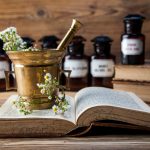
3. Making Homemade Herbal Remedies
Autumn is an excellent time to harvest herbs for homemade remedies. Learning to make tinctures, salves, and teas from herbs like elderberry, echinacea, and sage will prepare you for winter ailments and improve your self-reliance.
Tip: Dry herbs carefully in a cool, dark place before using them for remedies. Store your herbal creations in labeled jars for easy use throughout the winter.
More on Herbal and Home Remedies
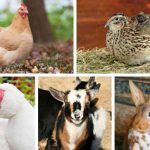
4. Preparing Livestock for Winter
As the temperature drops, it’s important to ensure your livestock is prepared for the colder months. Fall is the time to clean out barns, check for any repairs needed, and stock up on feed and bedding. Providing proper shelter and care for your animals will keep them healthy and safe throughout winter.
- Tip: Ensure water troughs are insulated to prevent freezing, and consider adding extra bedding in barns to help keep animals warm.
Raising Chickens: Preparing for Cooler Weather
5. Saving Seeds for Next Year
Seed saving is a great way to maintain the best varieties from your garden, ensuring your crops are well-suited to your local conditions. Fall is the perfect time to harvest seeds from plants like beans, tomatoes, and squash.
- Tip: Allow seeds to fully dry before storing them in a cool, dark place. Be sure to label them with the plant name and year collected for easy use next season.
Other Skills to Consider Practicing this Fall
- Pruning Trees and Shrubs – Prepare your fruit trees and ornamental plants for winter by trimming back dead or overgrown branches.
- Creating a Root Cellar – Build or prepare a root cellar to store fall harvests like potatoes, carrots, and apples through the winter.
Root Cellar Alternatives - Making Homemade Soap – Learn the art of soap making using natural ingredients to create products that are gentle on the skin and environment.
Soup Recipes to Try - Making Beeswax Candles – Craft candles from beeswax to have an eco-friendly and sustainable light source for winter.
How to Make Candles - Tanning Leather – Learn how to tan hides from livestock or wild game for practical homestead use or crafting.
- Fermenting Vegetables – Experiment with fermentation to create nutrient-rich, probiotic foods like sauerkraut or kimchi.
Easy Out of this World Pickled Onions Recipe - Winterizing Garden Beds – Protect garden beds with mulch or cover crops to preserve soil health and structure over the winter.
Preparing the Garden for Winter - Spinning Wool or Yarn – Practice spinning wool from sheep or other fibers to make yarn for knitting and weaving projects.
- Making Homemade Cleaning Products – Create natural cleaning solutions using items like vinegar, essential oils, and baking soda for a toxin-free home.
DIY Liquid Laundry Soap
Your Guide to DIY Natural Cleaners
Homemade Fabric Softener DIY
FAQ: Fall Homesteading Skills
Q: What’s the easiest method of food preservation for beginners?
A: Freezing is one of the easiest methods for beginners since it requires minimal equipment. However, canning fruits like apples or making pickles is a simple entry into food preservation.
Is Freezing Better Than Canning?
Q: How do I properly dry herbs for homemade remedies?
A: To dry herbs for remedies, harvest them in the morning after the dew has dried but before the sun gets too hot. Bundle the herbs and hang them upside down in a cool, dark, and well-ventilated area. You’ll know they’re fully dried when the leaves crumble easily. Store them in airtight containers in a dark place to preserve their potency.
Q: Can I compost all types of leaves?
A: Most leaves are great for composting, but some, like walnut leaves, contain compounds that can be harmful to certain plants. It’s best to research specific trees if you’re unsure about adding certain leaves to your compost pile.
Using Fallen Leaves to Create Leaf Mold for Your Vegetable Garden
Q: When should I collect seeds from my garden?
A: Seeds should be collected from plants when the fruit is fully mature, and the seeds inside have dried. For example, beans should be allowed to dry on the plant before harvesting the seeds.
Q: How much feed should I prepare for my livestock for winter?
A: The amount of feed needed for your livestock depends on the type and number of animals you have. As a general rule, it’s a good idea to stockpile enough hay or feed to last through the winter months, with a bit extra to account for any unexpected delays in supply. On average, plan for around 2-3% of the animal’s body weight in dry feed per day.
Essential Homesteading Skills to Practice in the Fall
Fall is an excellent time to focus on key homesteading skills that will benefit you throughout the year. From preserving your harvest and stacking firewood to composting leaves and preparing your livestock, these essential tasks will help you stay self-sufficient and prepared for winter. Embrace the season and practice these skills to make the most of your homesteading journey.
By prioritizing these tasks now, you’ll be ready for whatever the colder months bring, and your homestead will be better equipped for the year ahead. Happy homesteading!
National Center for Home Food Preservation (for food preservation tips and guides):
https://nchfp.uga.edu/
The Old Farmer’s Almanac (for seed saving and planting tips):
https://www.almanac.com/
Rodale Institute (for organic composting tips):
https://rodaleinstitute.org/why-organic/organic-farming-practices/composting/
American Herbalists Guild (for making herbal remedies and tinctures):
https://www.americanherbalistsguild.com/