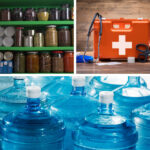
You’ve put in the time to build a solid food stockpile—canned goods, dry staples, maybe even some long-term freeze-dried meals. But all of that effort only helps if the food is still good when you need it. Letting food expire before using it is one of the most common pitfalls of food storage—and one of the easiest to avoid with a few simple habits.
Rotating your stockpile isn’t complicated, but it does require a little attention and consistency. Whether you’re building a pantry for emergencies or just want to stay organized and reduce food waste, it all starts with knowing what you have and using it wisely.

Start with an Inventory
Before anything else, take stock of what’s in your pantry, freezer, and long-term storage. You can’t rotate what you don’t remember you bought.
How to track it:
- Use a basic notebook, spreadsheet, or even a pantry inventory app.
- Write down the product name, quantity, and expiration or “best by” date.
- Note where it’s stored (pantry, freezer, basement shelf, etc.).
This doesn’t need to be complicated. You can add to it gradually as you organize.
Tip: Do a full inventory at least once every season—especially before doing a big grocery haul.
📝 Inventory and Tracking
- Pantry Inventory Notepad – A simple paper tracker for those who don’t want to use spreadsheets.
- Magnetic Dry Erase Board for Fridge – Great for tracking food that needs to be used soon.
- Freezer Inventory Magnet – Specifically for keeping freezer stock organized.
Use the FIFO Method
FIFO = First In, First Out.
This simple principle helps keep older items from getting buried and forgotten. When you bring home groceries:
- Place new cans and boxes behind the older ones.
- In your freezer, shift older meats or frozen vegetables to the front before adding new items.
- With bulk goods, use clear bins or containers and label them with dates.
Even long-term food storage should follow this system. For example, if you’ve purchased multiple buckets of oats, use the one with the oldest date first—even if it’s still years away from expiring.
Use a permanent marker to write purchase or expiration dates in bold, visible print. It makes scanning your shelves quicker and easier.
🔄 FIFO and Organization
- Can Organizer Rack – These gravity-fed racks are designed for first-in-first-out rotation.
- Stackable Plastic Bins – Clear bins help you see what’s on hand and sort by date or category.
- Lazy Susan Turntable for Pantry – Handy for small pantries and corner cabinets.
Organize by Type and Date
Group like items together—canned vegetables, soups, beans, sauces, dry pasta, baking goods. Then sort them within each group by date.
This setup works whether you have a small pantry or a full storage room. It lets you quickly find what you’re looking for and helps you spot what needs to be used soon.
If space allows, use shelves labeled by category or clear bins to keep things easy to access and restock.
In the freezer:
- Use labeled bins or cloth baskets to separate categories like meat, fruit, veggies, and prepared meals.
- Tape a simple inventory sheet to the outside of the freezer and cross items off as you use them.
🧊 Freezer Storage
- Freezer-Safe Bins or Baskets – Helps keep older items in front and prevent digging.
- Vacuum Sealer Machine – Great for freezing bulk meats and prolonging shelf life.
- Freezer-Safe Label Tape – Designed to stay put even in low temperatures.
Incorporate Older Items into Meals
One of the easiest ways to rotate your stockpile is to use it regularly. Canned, jarred, and frozen foods aren’t just for emergencies—they can be a huge help with weeknight meals and budget cooking.
Try this:
- Look at what’s expiring in the next 60 days and plan your meals around those items first.
- Use canned beans, tomatoes, tuna, or soups in stews, casseroles, or wraps.
- Get creative with shelf-stable ingredients: turn rice, canned chicken, and broth into a hearty soup.
If something’s close to expiring and you don’t want to use it right away, consider cooking and freezing it for later use.
Bonus idea: Pick one day each week to make a meal using only what you have on hand. It’s a great way to rotate stock and save money.
Create a Rotation Routine
Set aside time every month or quarter to check your storage. You don’t have to overhaul everything, just look over your stockpile to make sure things are in order.
Check for:
- Products near expiration—move these to the front or plan to use them soon.
- Rusty, bulging, or damaged cans—safely discard these right away.
- Gaps in inventory—make a list of what you’re running low on so you can restock efficiently.
A quick shelf scan while putting away groceries can make a big difference.
Store Food Properly
Improper storage shortens shelf life and increases the risk of spoilage.
Best practices:
- Cool and dry – Most food stores best between 50–70°F in a dry environment.
- Keep out of sunlight – Light can damage packaging and degrade the food inside.
- Avoid storing food on the floor – Use shelves to prevent exposure to pests or moisture.
- Watch for humidity – In humid areas, use moisture absorbers to protect dry goods.
Even long-term emergency food (like freeze-dried meals or mylar-sealed grains) can degrade if kept in poor conditions. Always follow storage guidelines printed on packaging.
Label Clearly and Consistently
If you repackage food or buy in bulk, labeling is key.
Every container should have:
- The contents
- The date it was purchased or packaged
- The expiration or best-by date
Use painter’s tape and a permanent marker, printed labels, or color-coded stickers to help make rotation even easier. In busy pantries, large print is your friend—especially if others in the house are helping themselves to the shelves.
✍️ Labeling
- Chalkboard or Removable Labels – Reusable and look nice on jars or bins.
- Permanent Markers (Sharpies) – Bold enough to see expiration dates easily.
- Date Dot Stickers – Color-coded stickers that make it easy to identify what’s expiring soon.
Rotate Non-Food Items Too
If your stockpile includes household essentials, don’t forget they also have expiration dates or shelf lives.
This includes:
- Over-the-counter medications and supplements
- Toiletries like toothpaste, sunscreen, and hand sanitizer
- First aid items – gauze, bandages, alcohol wipes, and hydrogen peroxide
- Batteries – store in original packaging and rotate oldest to the front
Even household cleaners can break down over time. Make it part of your rotation check to scan non-food items as well.
Take Advantage of Seasonal Stock-Ups
There are ideal times of year to purchase certain foods, especially canned goods, baking items, and pantry staples. Use these sale cycles to your advantage, but always rotate your stockpile when adding new items.
For example:
- After the holidays – baking supplies go on sale
- End of summer – canned fruits, tomatoes, and veggies are discounted
- Late fall and winter – broths, soups, and canned meats go on sale
When stocking up during sales, make sure you place new items behind older ones on the shelf and update your inventory.
>>> Check Out My Stock Up Lists for Each Month <<<
Teach the Household
If you live with family or roommates, make sure everyone understands your stockpile system.
Encourage habits like:
- Putting new items behind older ones
- Checking dates before opening packages
- Letting you know when something’s running low
Even basic cooperation helps the system run smoother and keeps food from going to waste.
A Few Extra Tips
- Set reminders – A calendar alert every 2–3 months helps you stay on top of rotation.
- Don’t hoard for the sake of hoarding – Keep food you actually eat and rotate through regularly.
- Use a whiteboard – Track items that need to be used soon and stick the list on the fridge or pantry door.
- Freeze what you can’t use right away – If something is nearing its expiration date, freeze it if possible to extend usability.
How to Rotate Your Stockpile
Rotating your stockpile isn’t about complexity—it’s about consistency. A few practical routines go a long way toward keeping your food fresh, your budget on track, and your family prepared. Whether your stockpile is a single shelf or a dedicated storage room, keeping it organized and in motion ensures it’s there for you when it counts.