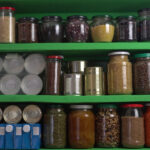
How to start prepping: starting a preparedness journey can feel overwhelming if you’ve never done it before. However, with a few basic steps, you can begin building a foundation for emergency preparedness that will leave you and your family more secure, confident, and ready for the unexpected.
In this guide, I’ll walk through essential tips to help you start prepping with ease and confidence.

1. Understanding the Importance of Prepping
Prepping isn’t about fear; it’s about foresight. Whether it’s a natural disaster, power outage, or economic hardship, preparedness allows you to manage disruptions with confidence. Prepping can be as simple as having a stocked pantry, an emergency kit, or a family plan.
Starting with small steps builds a sustainable preparedness mindset without overwhelming your budget or time.
Prepping Vs. Hoarding
Is Prepping Selfish?
2. Start with a Basic Emergency Plan
An emergency plan is foundational. Here’s a basic approach to get started:
- Identify potential emergencies: Consider the specific risks you might face based on your region (e.g., hurricanes, tornadoes, power outages, earthquakes).
- Create a communication plan: Plan how family members will communicate during an emergency, including backup options if phone lines are down.
- Know your evacuation routes: Identify safe routes and nearby shelters in case you need to leave quickly.
- Prepare a family meeting point: Have a designated location where everyone can regroup if separated.
Having a plan keeps everyone on the same page and helps reduce stress in a crisis.
Prepare Your Family For Survival
3. Build a Basic Emergency Kit
Your emergency kit doesn’t have to be comprehensive at first; start with essentials and add to it as you go. Here are items you should prioritize:
- Water: Aim for one gallon per person per day for at least three days.
- Food: Include non-perishable, easy-to-prepare items like canned goods, nuts, protein bars, and dried fruits. Rotate these items periodically.
- First Aid Supplies: A basic first aid kit with bandages, antiseptics, medications, and pain relievers.
- Personal Essentials: Toiletries, hygiene products, and any daily medication.
- Tools and Supplies: Flashlights, extra batteries, a manual can opener, a multi-tool, and waterproof matches.
- Important Documents: Store copies of IDs, insurance policies, medical records, and emergency contact information in a waterproof bag.
Starting with these basics ensures that you have enough to sustain yourself and your family for at least a few days in an emergency.
Emergency Medical Kit: 30 Items You Need
Emergency Car Kit
Power Outage Kit – What You Need
4. Establish a Pantry of Long-Lasting Foods
Building a well-stocked pantry is an essential step in preparing for disruptions. Focus on foods that are shelf-stable, require minimal preparation, and are nutrient-dense. Here are some pantry basics to consider:
- Canned Goods: Vegetables, beans, fruits, and meats.
- Dried Foods: Rice, pasta, oats, flour, and legumes.
- Condiments and Spices: Salt, pepper, vinegar, oils, and spices to make meals more enjoyable.
- Beverages: Coffee, tea, powdered milk, and electrolyte drinks.
Start small by adding a few items each grocery trip, and remember to rotate items to prevent spoilage.
Stocking a Pantry with Everything You Need
Top 10 Foods to Store for Long-Term Emergencies
The Top 10 Mistakes to Avoid in Food Storage
5. Plan for Water Storage and Filtration
Water is crucial for survival. While it’s recommended to have at least a three-day supply, aim to store enough for two weeks if possible. Here are a few ways to manage your water supply:
- Store bottled water: Buy a few extra gallons each grocery trip.
- Use large water storage containers: Invest in BPA-free storage barrels or containers for longer-term storage.
- Purchase a water filtration system: Having a portable water filter (such as a LifeStraw or Sawyer filter) can make natural water sources safer in an emergency.
6. Don’t Forget Shelter and Warmth
In some emergencies, keeping warm and finding safe shelter can be lifesaving. Here are a few essentials:
- Warm clothing: Keep extra layers, hats, and gloves in your emergency kit.
- Blankets and sleeping bags: Invest in compact, heat-retaining blankets or sleeping bags for each family member.
- Weather-proof tarp or tent: Useful in situations where you may need to create temporary shelter.
How to Store Blankets for Emergencies
7. Expand Gradually as You Build Confidence
Once you’ve covered the basics, consider expanding your preparedness efforts. This could include:
- Home safety improvements: Reinforce doors and windows or invest in a generator.
- Self-reliance skills: Learn basic first aid, gardening, or cooking from scratch.
- Financial preparedness: Start a small emergency fund to manage unforeseen expenses.
Frequently Asked Questions About How to Start Prepping
Q: How much should I spend on prepping each month?
A: Start with what you can afford. Many people add a few items to their emergency kit or pantry each time they go grocery shopping. Even $20 a month can gradually build a substantial supply.
How to Create an Emergency Stockpile When You Can Barely Buy Groceries
Q: What should I prioritize if I have limited space?
A: Focus on essentials like water, non-perishable food, and first-aid supplies. Compact items like dehydrated foods and collapsible water containers are space-saving options.
Q: How often should I rotate my food and water supplies?
A: Rotate canned and boxed foods every six months to a year. For water, consider replacing it every six months unless using treated or commercially bottled water with a longer shelf life.
Q: How can I involve my family in prepping?
A: Assign everyone a small task, like checking flashlights, stocking the first-aid kit, or organizing the pantry. It’s a great way to teach responsibility and preparedness in a positive way.
Q: How do I know when my preparations are complete?
A: Preparedness is an ongoing journey. Start with a three-day emergency supply and gradually expand to a week or two. Once you feel comfortable, review your supplies and plans annually to adjust as needed.
How to Start Prepping
Preparedness doesn’t require drastic changes or large investments upfront. By starting small, setting up an emergency kit, and building your pantry, you can gain peace of mind knowing you’re ready for life’s uncertainties. Begin with these basics, expand gradually, and remember, prepping is about empowerment, not panic. The steps you take today can make a world of difference tomorrow.