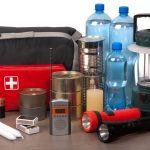
September is National Preparedness Month, the perfect time to ensure you and your family are ready for unexpected emergencies. From natural disasters to power outages, being prepared can make all the difference. In this comprehensive guide, we’ll cover 15 essential steps to help you stay prepared, along with answers to frequently asked questions about emergency readiness.

National Preparedness
Emergencies can strike without warning, disrupting our lives and challenging our resilience. National Preparedness Month serves as a reminder of the importance of proactive planning to safeguard our families, homes, and communities. Preparedness is not about fear but about empowering ourselves with the knowledge and resources needed to face any situation confidently.
15 Steps to Prepare for Any Emergency
1. Build a Basic Emergency Kit
Assemble a comprehensive emergency kit that includes essentials like water, non-perishable food, a first-aid kit, flashlights, batteries, and multi-purpose tools. Customize your kit to meet your family’s specific needs.
- Related Reading: Emergency Medical Kit: 30 Items You Need
- Book Recommendation: The Survival Medicine Handbook
2. Create a Family Communication Plan
Establish a clear communication plan detailing how your family will contact each other and where to meet during an emergency. Discuss various scenarios and ensure everyone understands their roles.
- Get Started: Family Emergency Communication Plan Document
3. Prepare Your Home for Natural Disasters
Protect your home by identifying potential hazards and taking preventive measures such as securing heavy furniture, reinforcing structures, and knowing how to shut off utilities.
- Detailed Guide: 6 Fool-Proof Natural Disaster Preparation
4. Learn Basic First Aid and CPR
Equip yourself with life-saving skills by learning basic first aid and CPR. These skills are invaluable during emergencies when medical help may not be immediately available.
5. Stockpile Water and Food Supplies
Ensure you have a sufficient supply of clean water and non-perishable food to last at least three days. Regularly check and rotate your supplies to keep them fresh.
- Stockpiling Resources: Stockpile Articles and Tips
6. Secure Important Documents
Keep vital documents like identification, insurance policies, and medical records in a secure, waterproof, and fireproof container. Consider digital backups stored securely online.
- Recommended Product: Fireproof Document Bag
7. Prepare for Power Outages
Be ready for electricity loss by having alternative light sources, backup power options, and plans to keep essential devices charged.
- Power Outage Tips: Prepare for a Power Outage
- Off Grid Cooking: Off-Grid Cooking Methods for Power Outages
8. Plan for Your Pets
Include your pets in your emergency plans by preparing supplies like food, water, medications, and identification for them.
- Pet Preparedness: Prepping for Pets: Essential Supplies for Emergencies
9. Create an Evacuation Plan
Develop a clear and efficient evacuation plan detailing exit routes and meeting points. Practice the plan regularly with all family members.
- Planning Tool: Evacuation Plan Software
10. Know Your Neighbors
Building strong relationships with your neighbors can be crucial during emergencies. Communities that support each other are more resilient and better equipped to handle crises.
- Community Building: Building a Community
11. Practice Fire Safety
Implement fire safety measures by installing smoke detectors, keeping fire extinguishers accessible, and creating a fire escape plan.
- Fire Safety Basics: Fire Safety Basics Every Home Should Have
12. Grow Your Own Food
Cultivating a home garden provides a sustainable food source during extended emergencies and promotes self-sufficiency.
- Beginning Gardening : Easy to Grow Vegetables
- What to Plant Each Month: Month to Month Guide to Vegetable Gardening
13. Prepare Financially
Build an emergency fund to cover unexpected expenses and ensure access to essential financial resources during crises.
- Financial Tips: 10 Habits of Debt-Free People
14. Learn Survival Skills
Develop essential survival skills such as purifying water, building shelters, and navigating without technology to increase your resilience in extreme situations.
- Skill Development: Survival Skills We All Need
- Book Recommendation: No Grid Survival Projects
15. Stay Informed
Keep updated on local news and weather alerts by using reliable information sources. Have tools like emergency radios to stay informed even when traditional communication channels fail.
- Recommended Tool: Emergency Hand Crank Radio
Frequently Asked Questions (FAQ)
1. What should be included in a basic emergency kit?
A basic emergency kit should include:
- Water: At least one gallon per person per day for at least three days.
- Food: Non-perishable, easy-to-prepare items for at least three days.
- First-Aid Kit: Including bandages, antiseptics, medications, and medical tools.
- Tools and Supplies: Flashlight, batteries, multi-purpose tool, manual can opener, and local maps.
- Personal Items: Copies of personal documents, emergency contact information, and cash.
- Sanitation Supplies: Moist towelettes, garbage bags, and hygiene products.
- Additional Items: Depending on your family’s needs, include items like baby supplies, pet supplies, and necessary medications.
2. How often should I update my emergency preparedness plans and supplies?
It’s recommended to review and update your emergency plans and supplies at least once a year. Check expiration dates on food and medications, update contact information, and reassess your family’s needs regularly.
3. How can I ensure my pets are safe during an emergency?
Prepare a pet emergency kit that includes food, water, medications, identification, and comfort items. Make sure your evacuation plan includes pet-friendly shelters or accommodations. Keep your pets’ vaccinations up to date and consider microchipping for easy identification.
4. What are some essential survival skills I should learn?
Important survival skills include:
- Water Purification: Knowing how to find and purify water sources.
- Fire Building: Ability to start and maintain a fire safely.
- Shelter Construction: Building temporary shelters using natural materials.
- First Aid: Providing basic medical care in emergencies.
- Navigation: Using maps and compasses to find your way without GPS.
5. How can I stay informed during a widespread power outage?
Invest in reliable communication tools such as battery-powered or hand-crank radios to receive news and weather updates. Sign up for emergency alert systems and keep extra batteries or solar chargers handy to power essential devices.
Consider using this Emergency Hand Crank Radio to stay connected.
6. Why is community involvement important in emergency preparedness?
Strong community ties enhance collective resilience during emergencies. Neighbors can share resources, provide assistance, and offer emotional support, making it easier to recover from disasters.
Discover ways to build a supportive community in Building a Community.
7. What financial preparations should I make for emergencies?
Establish an emergency fund with enough savings to cover at least three to six months of living expenses. Keep some cash accessible in case electronic banking systems fail. Review and update insurance policies to ensure adequate coverage.
How to Create an Emergency Fund Building an Emergency Fund on a Tight Budget
8. How do I create an effective evacuation plan?
An effective evacuation plan should include:
- Identified Exit Routes: Multiple routes from your home to safe locations.
- Meeting Points: Pre-determined locations where family members can reunite.
- Emergency Contacts: List of contacts and communication methods.
- Go-Bags: Prepared kits with essentials ready for quick departure.
September National Preparedness Month
Being prepared for emergencies is a continuous process that involves planning, education, and community engagement. By following these 15 steps and utilizing the provided resources, you can significantly enhance your readiness for any unexpected situation. Start today, involve your family, and take proactive steps towards ensuring safety and resilience in the face of adversity.
Stay safe and prepared!