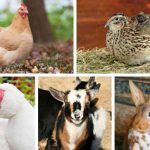
For backyard farmers eager to cultivate a sustainable, productive homestead, choosing the right livestock is key. Depending on the available space, climate, and goals, different types of animals offer unique benefits and require specific care. This guide explores the best options for backyard livestock, including tips for keeping chickens, goats, rabbits, and bees. With proper planning, these animals can enhance self-sufficiency, enrich soil, and provide a steady supply of eggs, milk, meat, or honey.

1. Chickens: The Beginner’s Favorite
Chickens are among the most popular livestock for backyard farmers due to their adaptability and easy maintenance. They are low-cost to raise, produce eggs almost daily, and offer an excellent opportunity to improve soil quality through natural fertilization.
Benefits of Raising Chickens:
- Egg Production: A flock of six hens can yield around four to five eggs per day.
- Soil Enrichment: Chickens scratch the ground, adding natural fertilizer while aerating the soil.
- Pest Control: Chickens enjoy eating insects, reducing pests in the garden.
Care Tips:
- Provide secure housing to protect against predators.
- Use layer feed for optimal egg production.
- Ensure daily access to fresh water and ample sunlight.
More on Backyard Chickens
- Backyard Chickens 101
- Secret Backyard Chickens How to Keep a Stealth Coop
- Fight Your HOA for Backyard Chickens
2. Goats: Compact Dairy Producers
For those interested in dairy products, goats are an excellent choice for backyard farmers with a bit more space. Small to medium-sized breeds, such as Nigerian Dwarfs, are perfect for smaller areas and offer a rich milk supply that can be used for drinking, cheese-making, and soap production.
Benefits of Raising Goats:
- Dairy Supply: Goats produce nutrient-dense milk with less lactose, making it suitable for people with lactose sensitivity.
- Brush Clearing: Goats are natural browsers, helping to clear weeds and unwanted vegetation.
- Manure for Composting: Goat manure is an effective addition to compost, enhancing soil fertility.
Care Tips:
- Provide shelter to shield goats from weather extremes.
- Goats are social animals, so keep at least two to prevent loneliness.
- Regular hoof trimming is essential to maintain their health.
More on Goats
3. Rabbits: Efficient Meat Producers
Meat rabbits are another practical choice for backyard farmers seeking a small, quiet animal that reproduces quickly and requires minimal space. Rabbits are primarily used for meat, but their manure is also an invaluable fertilizer for gardens.
Benefits of Raising Rabbits:
- High Meat Yield: Rabbits reproduce rapidly, and their meat is lean and nutritious.
- Fertilizer Source: Rabbit manure is high in nitrogen and doesn’t need to be composted before applying to plants.
- Quiet and Low Maintenance: Rabbits make very little noise and can be housed in small hutches.
Care Tips:
- Maintain clean housing with solid flooring to prevent foot injuries.
- Feed a diet of pellets, hay, and fresh vegetables.
- Check for health issues regularly, particularly in warmer climates where they’re prone to heat stress.
More on Meat Rabbits
- 10 Reasons You Need to Raise Backyard Meat Rabbits
- Getting Started with Meat Rabbits
- Top 10 Meat Rabbits
4. Bees: Pollinators and Honey Producers
Bees may not be the first animal that comes to mind for backyard farming, but they are invaluable for pollination and honey production. Keeping bees requires a modest amount of space and a basic understanding of hive management, making them an ideal choice for backyard farmers looking to enhance their garden’s productivity.
Benefits of Raising Bees:
- Pollination: Bees boost the pollination rates of plants, improving garden yields.
- Honey Production: Honey is a valuable product that can be used at home or sold.
- Minimal Maintenance: Bees require less daily attention compared to other livestock.
Care Tips:
- Research local regulations for beekeeping in your area.
- Install hives in a sunny location with a water source nearby.
- Harvest honey only during certain times of the year to allow the colony to thrive.
More on Bees
Choosing the Right Livestock for Your Backyard Farm
Selecting livestock is a personal choice that depends on available space, time, and goals. Here’s a quick breakdown to help make the decision easier:
- For eggs and pest control: Chickens are ideal.
- For milk and brush clearing: Goats are an excellent choice.
- For meat and compost: Rabbits fit the bill.
- For pollination and honey: Bees are highly beneficial.
It’s possible to mix and match animals if space allows. A small, well-managed backyard farm can house chickens, a few rabbits, and a beehive for maximum productivity. Always check local zoning laws before introducing livestock, and ensure that each animal’s unique needs are met to maintain a happy, healthy homestead.
Frequently Asked Questions about Backyard Livestock
1. Can I raise livestock in my backyard legally?
Yes, but it depends on your local zoning laws. Some areas restrict the number or types of animals you can keep, so check with your city or county regulations before starting.
2. How much space do I need to raise chickens?
Chickens need about 4 square feet of coop space per bird and at least 10 square feet of outdoor space. More space will allow them to engage in natural behaviors like scratching and dust bathing.
3. Are goats noisy?
Some goats can be vocal, especially around feeding times. If noise is a concern, opt for smaller breeds like Nigerian Dwarfs, which tend to be quieter.
4. How do I start beekeeping?
Begin by learning about bees and bee safety. Purchase essential equipment, like hives, a smoker, and a bee suit, and consider joining a local beekeeping club for guidance. It’s also a good idea to install your hive in a quiet, sunny area of your yard.
5. How much time does it take to care for backyard livestock daily?
Most backyard livestock require about 30 minutes to an hour of daily care for feeding, cleaning, and checking for health issues.
6. Can I keep different types of livestock together?
Yes, some livestock types, like chickens and rabbits, can coexist well in a shared space. However, goats typically need their own designated area.
7. Do backyard livestock smell?
If managed properly, backyard livestock should not have a strong odor. Regular cleaning, proper ventilation, and waste management help keep odors at a minimum.
The Best Livestock for Backyard Farmer
Backyard farming is a rewarding pursuit that brings food production closer to home. By carefully choosing the right livestock, backyard farmers can achieve self-sufficiency, create natural fertilizer, and enjoy a supply of fresh, home-raised products. Chickens, goats, rabbits, and bees are all fantastic choices for various needs and spaces. With thoughtful planning and responsible care, these animals can help transform a backyard into a thriving homestead.
More on Livestock for Backyard Farming
- American Dairy Goat Association – Provides reliable information on goat breeds, care tips, and the benefits of raising dairy goats.
- The Livestock Conservancy – Features conservation strategies for heritage breeds, including resources for backyard farmers interested in sustainable livestock.
- Beekeepers Association – A helpful resource for those interested in beekeeping, with educational materials on hive maintenance, bee health, and honey production.