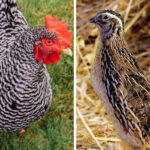
Raising quail for meat has been gaining popularity among homesteaders and backyard farmers. These small, hardy birds offer a sustainable and efficient option for those looking to raise their own poultry. However, like any farming endeavor, there are both advantages and disadvantages to consider before starting your own quail flock. In this blog post, I’ll explore the pros and cons of raising quail for meat, the types of quail to consider, and answer some frequently asked questions to help you decide if quail are the right choice for your homestead.

Pros of Raising Quail for Meat
1. Small Space Requirements
One of the biggest advantages of raising quail is their minimal space requirements. Unlike chickens, which require larger coops and runs, quail can thrive in smaller enclosures. This makes them an excellent option for those with limited backyard space or even for apartment dwellers who want to engage in urban farming.
2. Fast Growth and High Yield
Quail grow quickly and are ready for harvest within 6 to 8 weeks. Their rapid maturation allows for a faster turnaround compared to chickens, which can take several months to reach full size. Additionally, quail are prolific layers, with some breeds producing up to 300 eggs per year. This means you can potentially raise quail for both meat and eggs, maximizing your investment.
3. Low Maintenance and Cost
Quail are relatively low maintenance compared to other livestock. Their feed requirements are minimal, and they consume less food than chickens while still providing a steady supply of meat. Their small size means they produce less waste, making them easier to care for and maintain. Moreover, quail are generally hardy birds that are resistant to many diseases, reducing the need for expensive veterinary care.
4. Delicate, Lean Meat
Quail meat is highly sought after for its delicate flavor and lean texture. It’s a healthier option compared to other poultry meats, as it is low in fat and rich in protein. For those looking to add variety to their diet or sell gourmet meat at a premium, quail can be an excellent choice.
Cons of Raising Quail for Meat
1. Smaller Meat Yield
While quail are efficient growers, their small size means that they provide less meat compared to chickens or other larger poultry. One bird typically yields around 4-6 ounces of meat, so you’ll need to raise and process more birds to meet your household’s meat needs. For larger families or those looking to produce meat on a larger scale, this may be a disadvantage.
2. Fragile Nature
Despite being hardy, quail can be fragile in other ways. Their small size makes them more vulnerable to predators, and they can easily be injured or stressed if not handled carefully. Ensuring their safety from animals like raccoons, cats, and birds of prey is crucial, which can mean extra investment in secure housing and enclosures.
3. Processing Challenges
Processing quail for meat can be more challenging than processing chickens due to their size. Because they are so small, it takes precision and patience to dress them. Some may find the effort of processing several small birds instead of one large chicken to be more time-consuming and less efficient.
4. Less Market Demand
Although quail meat is prized for its flavor and texture, it’s still considered a niche product. If you’re looking to raise quail for commercial purposes, it’s important to assess whether there is enough demand for quail meat in your area. The market for quail meat is smaller than that for chicken or turkey, which may limit your sales opportunities.

Types of Quail to Consider for Meat
When raising quail for meat, selecting the right breed is essential. Here are the most common types of quail to consider:
1. Coturnix Quail (Japanese Quail)
Coturnix quail are the most popular breed for meat production due to their fast growth rate and excellent meat yield. They are ready for processing within 6 to 8 weeks and are known for their tender meat and prolific egg-laying. Coturnix quail are also hardy and easy to raise, making them an ideal choice for beginners.
2. Bobwhite Quail
Bobwhite quail are native to North America and are often raised for both meat and game purposes. They have a slightly longer growth cycle, typically reaching maturity in 16 weeks. Bobwhite quail have a strong, gamey flavor that is prized by gourmet chefs. However, they require more space and are more flighty than Coturnix quail.
3. Jumbo Coturnix Quail
Jumbo Coturnix quail are a larger variant of the regular Coturnix, bred specifically for meat production. These quail are larger in size and provide more meat per bird, making them a great option for those looking to maximize their yield. Like their smaller counterparts, they grow quickly and are easy to raise.
4. Button Quail
While not typically raised for meat, Button quail are sometimes considered for small-scale operations due to their compact size. However, due to their tiny stature, they are better suited for ornamental purposes or as pets rather than a primary meat source.
FAQs About Raising Quail for Meat
Q: How much space do quail need?
A: Quail require minimal space compared to chickens. A good rule of thumb is to provide at least 1 square foot of space per quail. Housing should be secure and predator-proof, with adequate ventilation.
Q: How long does it take for quail to be ready for processing?
A: Most quail, particularly Coturnix, are ready for processing between 6 and 8 weeks. This makes them one of the fastest-growing poultry options available.
Q: Do quail require any special care compared to chickens?
A: Quail are generally low maintenance, but they do require specific housing to protect them from predators due to their small size. They also prefer to live in groups and need plenty of fresh water and high-protein feed.
Q: How much meat can you get from one quail?
A: A single quail typically yields about 4-6 ounces of meat. To provide a significant amount of meat for your family, you will need to raise a larger flock.
Q: Can you raise quail alongside chickens?
A: It’s generally not recommended to raise quail and chickens together. Chickens are larger and more aggressive and may harm the smaller quail. Additionally, chickens can carry diseases that quail are susceptible to.
Q: Are quail noisy?
A: Male quail can be somewhat noisy, especially during mating season. However, they are quieter than roosters, making them a better option for those in urban or suburban settings.
The Pros and Cons of Raising Quail for Meat
Raising quail for meat can be a rewarding and sustainable option for backyard farmers and homesteaders, especially those with limited space. The small size, rapid growth, and minimal maintenance make quail an appealing choice for those looking to raise their own poultry. However, it’s important to weigh the pros and cons, including the smaller meat yield and potential processing challenges, to determine if quail are the right fit for your homestead.
Whether you’re a seasoned homesteader or just starting out, quail can be an excellent addition to your poultry flock, offering a unique and delicious source of meat. With the right planning and care, raising quail can be a productive and enjoyable experience.