Vintage Gardening Tips: Timeless Tricks from the Past Every Modern Gardener Should Know!
Gardening is one of those beautiful practices that connects us to generations past. Before there were apps to remind you to water and synthetic fertilizers to boost your harvest, gardeners relied on knowledge passed down from parents and grandparents. These vintage gardening tips didn’t just get the job done; they created vibrant, resilient gardens using natural and sustainable methods.

Today, many gardeners are looking to reclaim those old-fashioned skills, whether out of nostalgia, a desire to garden more naturally, or simply because they work. These heritage techniques are not only effective but budget-friendly and eco-conscious, making them perfect for homesteaders and backyard gardeners alike.
Let’s “dig” into the timeless wisdom of vintage gardening and see how you can apply it in your own garden, no matter the size.
Start with Rich, Living Soil
Long before synthetic fertilizers were mass-produced, gardeners focused on building soil health the natural way. Vintage gardening emphasized composting kitchen scraps, animal manure, and leaf mold to create dark, crumbly soil teeming with life.
Try This:
- Make your own compost pile or bin using vegetable peels, eggshells, coffee grounds, grass clippings, and leaves.
- Let your chickens or rabbits contribute manure (aged, of course) for added nutrients.
- Save fallen leaves in autumn to create leaf mold—a fantastic soil conditioner.
Healthy soil was the foundation of every successful garden, and it still is today.
Using Fallen Leaves to Create Leaf Mold for Your Vegetable Garden
The Dos and Don’ts of Composting
How to Use Rabbit Poop Fertilizer for a Better Garden

Save Your Own Seeds
Seed catalogs weren’t always around, and folks didn’t have Amazon delivering heirlooms in 2 days. Instead, they carefully saved seeds from their best plants, ensuring the next season’s crops were well-suited to their climate and conditions.
Benefits of Vintage Seed Saving:
- Preserves heirloom varieties
- Saves money
- Encourages seed adaptation to your garden’s microclimate
Tip: Start with easy-to-save seeds like beans, peas, tomatoes, and peppers. Let the fruit fully mature on the plant, then dry and store the seeds in labeled envelopes or glass jars.
The Importance of Seed Saving for Next Year’s Garden
Education & Events – SeedSavers
Plan with the Moon and Seasons
Before weather apps and frost charts, gardeners looked to the moon cycles and traditional seasonal rhythms. Lunar gardening is based on the idea that the moon’s gravitational pull affects moisture in the soil, much like it influences tides.
Vintage Moon Gardening Guidelines:
- Plant leafy greens during a waxing moon
- Plant root crops during a waning moon
- Avoid planting during a full or new moon
Even if you’re skeptical, many seasoned gardeners swear by these old methods—and they certainly make you more in tune with nature.
Gardening with the Moon Phases: A Timeless, Natural Way to Boost Plant Growth
Use Companion Planting to Your Advantage
Old-fashioned gardeners knew which plants were friends and which were foes. They practiced companion planting to improve yields, deter pests, and attract beneficial insects.
Popular Vintage Companion Combos:
- Tomatoes + Basil: Improves growth and flavor, repels pests
- Carrots + Onions: Repel each other’s pests
- Corn + Beans + Squash (Three Sisters): A Native American tradition combining support, nitrogen-fixation, and weed suppression
Companion planting isn’t just a modern gardening hack—it’s rooted in traditional wisdom that’s still powerful today.
Companion Planting Top 10 Plants
Flowers to Plant in Vegetable Gardens

Use What You Have: DIY Garden Tools and Hacks
Back in the day, people didn’t run to the store for every little tool or gadget. They reused, recycled, and repurposed everyday items into garden helpers.
Vintage Garden Hacks Still Worth Using:
- Mason jars as mini greenhouses to protect seedlings from cold
- Crushed eggshells around plants to deter slugs
- Tin pie pans hung on strings to scare off birds
- Broken terracotta pots used for plant labels or mulch
Sometimes, old-school improvisation beats high-tech tools.
8 Fantastic Ways to Reuse Eggshells
Rotate Crops to Keep Soil Healthy
Crop rotation has been practiced for centuries as a way to prevent nutrient depletion and reduce pests and diseases. Each plant pulls and gives different things to the soil, and rotating their location balances this out.
Old-School Crop Rotation Plan:
- Year 1: Leafy greens (lettuce, spinach)
- Year 2: Fruit crops (tomatoes, peppers)
- Year 3: Root crops (carrots, beets)
- Year 4: Legumes (beans, peas to fix nitrogen)
Not only does this protect your soil—it also encourages better harvests year after year.
Crop Rotation & the Backyard Homestead

Make Homemade Fertilizers and Tonics
Chemical fertilizers weren’t always an option, and vintage gardeners made their own using natural materials. Many of these are still excellent choices today and avoid the harsh impact of synthetics.
Try These Vintage Fertilizers:
- Comfrey Tea: Soak comfrey leaves in water for a few weeks for a potassium-rich tonic.
- Banana Peel Water: Great for roses and tomatoes.
- Wood Ash: Adds potassium and lime to soil (use sparingly and avoid near acid-loving plants).
- Manure Tea: Soak aged manure in water for a few days for a gentle fertilizer.
Always remember to test your soil so you know what it actually needs—another lesson passed down from observant gardeners of old.
Wood Ash as a Good Soil Amendment
Mulch Like Grandma Did
Mulching is one of the easiest ways to maintain a healthy garden, and vintage gardeners used whatever was on hand—straw, grass clippings, leaves, pine needles—to keep soil moist and suppress weeds.
Benefits of Mulching the Old-Fashioned Way:
- Saves water
- Reduces weeding
- Regulates soil temperature
- Adds nutrients back to the soil as it breaks down
If Grandma didn’t have plastic sheeting, neither do you. Stick with natural mulch options that feed your soil over time.
Pine Straw in the Vegetable Garden: Benefits, Tips, and How to Use It Right

Focus on Heirloom Varieties
Before hybrid seeds and GMO crops, gardeners relied on heirloom varieties—plants that were open-pollinated and passed down for generations. These plants often have better flavor, higher nutrition, and more genetic diversity than modern hybrids.
Why Heirlooms Matter:
- They’re rich in history and flavor
- They allow seed saving
- They’re often better adapted to local growing conditions
Look for heirloom tomatoes, beans, cucumbers, and squash at seed swaps or trusted online sellers to build your heritage garden.
Preserve the Harvest Naturally
Vintage gardening didn’t stop at harvest. Old-time gardeners knew how to preserve their bounty to feed the family year-round. That meant canning, drying, root cellaring, fermenting, and pickling.
Traditional Methods to Try:
- Water bath or pressure canning for fruits, vegetables, and meats
- Dehydrating herbs, tomatoes, and fruit slices
- Fermenting cucumbers into pickles or cabbage into sauerkraut
- Storing potatoes and carrots in cool, dark root cellars or bins with sand
Modern conveniences are nice, but nothing beats homemade food with ingredients you grew yourself.
More on Canning
20 Awesome Reasons to Dehydrate Food
How to Store Potatoes and Onions for Winter
Root Cellar Alternatives
National Center for Home Food Preservation
Garden with the Family
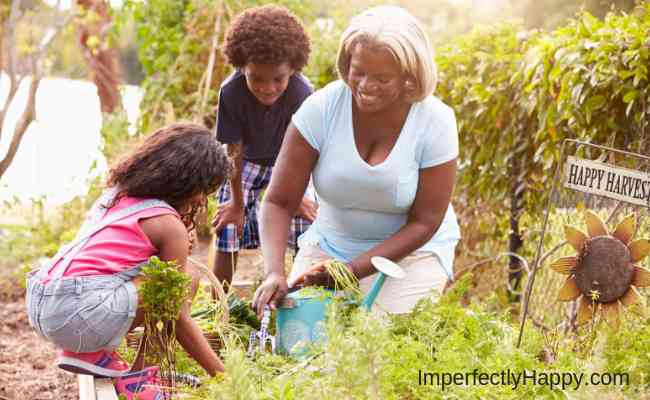
In many vintage households, gardening was a family affair. Children learned by doing—planting seeds, weeding rows, picking beans—and grew up with a sense of pride and connection to the land.
Why It Still Matters:
- It teaches life skills
- Encourages responsibility and patience
- Builds appreciation for food and hard work
Invite the kids or grandkids out into the garden. Even a small job like watering or harvesting cherry tomatoes can spark a lifelong love of growing.
Vintage Skills to Teach Your Kids: Rediscovering Lost Arts for a Richer Future
Work With Nature, Not Against It
The heart of vintage gardening is understanding your environment and respecting the natural rhythms of the earth. Old-time gardeners observed the weather, learned from mistakes, and adjusted based on what nature taught them.
Ways to Apply This Mindset Today:
- Grow what thrives in your region, not what looks good on Pinterest
- Use natural pest control instead of chemicals
- Encourage pollinators with native flowers
- Accept that not every season will be perfect
There’s wisdom in simplicity—and it starts with aligning your gardening with the land you live on.
Naturally Repel Pests Without Harsh Chemicals
Vintage Gardening Tips and the Modern World
While technology can be helpful, there’s something beautiful and grounding about gardening the way our grandparents or great-grandparents did. Vintage gardening tips remind us that nature is not a machine to control but a partner to work with. The slower, more mindful approach yields not only healthy food but a healthier gardener too.
Whether you’re a seasoned grower or just planting your first tomato seed, consider embracing a few of these timeless techniques. Your garden—and your soul—just might thank you.