Emergencies can happen when we least expect them, and being prepared can make all the difference. Whether it’s a natural disaster, power outage, or unexpected life event, having a plan in place ensures your family’s safety and peace of mind. In this blog post, I’ll cover 15 essential emergency preparedness tips to help you stay ready for whatever comes your way.

1. Create a Family Emergency Plan
Every household needs a clear and well-communicated emergency plan. Include evacuation routes, meeting points, and important contact numbers. Make sure every family member knows the plan, especially children.
👉 Consider using fire and waterproof document pouches to store your plan and important papers.
2. Assemble an Emergency Kit
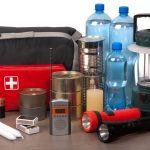
A well-stocked emergency kit is a must. Your kit should include:
- Water (one gallon per person per day for at least three days) and LifeStraw Personal Water Filter (one for each person) Don’t forget to add additional gallons for pets!
- Non-perishable food
- Flashlights with extra batteries
- A first-aid kit
- Multi-purpose tools
- Copies of personal documents
Store your kit in an easily accessible location and check it regularly to replace expired items.
Building a Winter Emergency Kit for Your Car
Emergency Medical Kit: 30 Items You Need
DIY Emergency Car Kit
3. Stock Up on Water
Ensure each person has access to at least one gallon of water per day for three days. For long-term storage, try stackable water containers and water purification tablets.
4. Secure Important Documents
Keep copies of important documents such as IDs, insurance policies, medical records, and financial information in a waterproof container. You can also scan these documents and save them on a secure cloud service for easy access.
5. Know Your Local Hazards
Understanding the risks specific to your area can help you prepare better. Research local hazards like hurricanes, earthquakes, or floods, and follow the guidance of local authorities to stay informed.
6. Have an Evacuation Bag Ready
Pack a go-bag for each family member that includes essentials like clothes, toiletries, medications, and snacks. This is especially important in situations where you may need to leave quickly.
Also consider a Get Home Bag!
7. Include Pet Preparedness
Don’t forget about your pets! Have enough food, water, and any medications they need. Include a leash, collar, and carrier in case you need to evacuate with them.
Prepping for Pets: Essential Supplies for Emergencies
8. Prepare for Power Outages
Power outages are common in emergencies. Have flashlights, lanterns, and extra batteries on hand. A backup power source like a generator or solar charger can also be valuable for keeping devices charged.
Prepare for a Power Outage
Power Outage Kit – What You Need
Off-Grid Cooking Methods for Power Outages
9. Plan for Special Needs
If anyone in your household has special needs—such as medical conditions, mobility challenges, or young children—include specific accommodations in your emergency plan. Have extra medications, medical equipment, and baby supplies ready.
10. Learn Basic First Aid
Basic first-aid knowledge can save lives during emergencies. Take a first-aid class or watch online tutorials to learn CPR, wound care, and how to treat common injuries.
Basic First Aid Skills Everyone Should Know
11. Stay Informed
Sign up for emergency alerts through local government apps or services. A solar-powered weather radio is also a great tool for staying informed when phone service is unavailable.
12. Organize Community Resources
Work with neighbors to organize a community preparedness plan. Sharing resources and information strengthens your collective ability to respond to emergencies.
How to Organize a Neighborhood Emergency Plan: A Step-by-Step Guide
13. Establish Long-Term Financial and Bartering Plans
In a long-term emergency or societal disruption, having access to cash and tradeable goods is critical. Keep small denominations of cash in a secure, waterproof container since ATMs and card payment systems may be unavailable. Diversify your financial safety net by storing precious metals like silver coins, which are universally recognized and can be used for bartering.
Additionally, stockpile valuable items for trade, such as canned goods, coffee, batteries, alcohol, and first-aid supplies. These items often become currency in prolonged crises and can help you acquire necessities you might lack.
14. Fortify Your Home for Long-Term Survival
If you’re preparing for extended emergencies or worst-case scenarios, it’s essential to fortify your home for protection and self-sufficiency. Start by securing entry points with reinforced door locks and shatterproof window film to deter intruders. Invest in a water storage system or rainwater collection barrels to ensure a sustainable water supply.
Consider what you and your loved one’s need or self-defense.
15. Practice, Review, and Update
Regularly review and practice your emergency plan with your family. Update it as needed, especially after major life changes like moving or adding new family members.
Additional Tips for Staying Prepared
- Rotate Supplies: Regularly check and replace food, water, and other perishable items in your emergency kit.
- Cash on Hand: Keep small denominations of cash available since ATMs and credit card systems may be down during emergencies.
- Emergency Contact List: Save key contacts on your phone and have a written list as a backup.
- Keep Your Car Ready: Maintain a full tank of gas, and store a car emergency kit with jumper cables, a flashlight, and blankets.
By following these 15 essential emergency preparedness tips, you can help ensure your family’s safety and comfort during unexpected crises. Taking the time to plan now will give you peace of mind and potentially save lives later.
Make preparedness a priority—your future self will thank you!