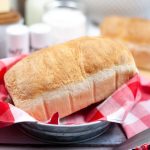
Mastering the Skill of Homemade Bread Baking This Winter should be on the top of your to-do list! There’s something magical about baking homemade bread during the cold, cozy months of winter. The aroma of yeast, the feel of dough under your fingers, and the sight of a golden loaf fresh from the oven can warm both your home and your heart.

This winter, why not turn bread baking into a skill you master? Whether you’re a beginner or looking to refine your techniques, let me share my tips, tricks, and answer your frequently asked questions.
And be sure to see all of my simple and easy to make bread recipes at the end!
Why Bake Bread This Winter?
Winter is the perfect time to try your hand at homemade bread. Shorter days and cooler temperatures invite you to spend more time indoors, and the process of kneading dough is a therapeutic way to pass the time. Plus, freshly baked bread pairs beautifully with hearty winter soups, stews, and chili.
Getting Started with Bread Baking
Mastering the skill of homemade bread baking this winter begins with the basics. Here’s what you need to know:
- Choose Your Bread
Start with a simple recipe like classic white bread, rustic artisan loaves, or whole grain bread. As you gain confidence, experiment with enriched doughs for brioche or challah. - Gather Quality Ingredients
High-quality ingredients are essential. Opt for unbleached all-purpose or bread flour, fresh yeast (dry or active), and filtered water if your tap water is hard or heavily chlorinated. - Understand the Importance of Proofing
Proofing allows your dough to rise by feeding the yeast. Ensure your kitchen is warm (around 75°F to 85°F) or find a warm spot like an oven with the light on for consistent results. - Invest in the Right Tools
Tools like a digital scale, a dough scraper, and a Dutch oven can make bread baking easier and yield professional-looking results. - Learn Proper Kneading Techniques
Kneading develops the gluten in your dough, giving it structure and texture. Practice techniques like the stretch-and-fold or slap-and-fold until you feel the dough transform.
Tips for Success
- Measure Precisely
Use a digital scale to weigh your ingredients instead of measuring by volume for better accuracy. - Don’t Rush the Process
Bread baking requires time and patience. Allow your dough to rise fully to develop flavor and texture. - Master Hydration Levels
Dough hydration impacts the texture of your bread. Lower hydration yields dense bread, while higher hydration creates airy, open crumbs. - Experiment with Flavors
Add mix-ins like herbs, seeds, or dried fruits to create unique flavor profiles. - Practice Makes Perfect
Baking bread takes practice, so don’t be discouraged by early attempts that don’t turn out perfectly.

Common FAQs About Bread Baking
Q: How do I know if my yeast is still active?
A: Proof your yeast by mixing it with warm water (105°F-115°F) and a pinch of sugar. If it bubbles and froths within 10 minutes, it’s active.
Q: Why is my dough not rising?
A: Check the temperature and ensure your yeast is fresh. Cold environments can slow yeast activity, so move your dough to a warmer spot.
Q: How do I prevent my bread from being dense?
A: Dense bread is often the result of under-kneading or insufficient proofing. Make sure you knead the dough adequately and allow enough time for it to rise.
Q: What’s the best way to store homemade bread?
A: Store your bread in a paper bag or bread box at room temperature to keep it fresh for up to 3 days. For longer storage, slice and freeze the bread.
Q: Can I use whole wheat flour instead of all-purpose flour?
A: Yes, but whole wheat flour absorbs more liquid, so you may need to adjust the hydration. Start by substituting half the all-purpose flour with whole wheat.
Why Bread Baking Is Worth Mastering
Not only does baking bread save money and reduce reliance on store-bought options, but it also connects you to a time-honored tradition. Mastering the skill of homemade bread baking this winter will give you a sense of accomplishment and the ability to share something truly special with family and friends.
By following these tips and techniques, you’ll soon become a pro at bread baking, bringing warmth and delicious aromas to your kitchen all winter long. Happy baking!