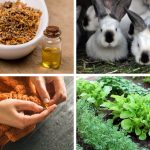
The value of traditional homemaking and homesteading skill are still true. Though our world seems dominated by technology and convenience, traditional homemaking and homesteading skills hold a unique charm and practicality.

These skills connect us to our roots, foster self-sufficiency, and promote a healthier, more sustainable lifestyle. Let’s explore the significance of these timeless practices and highlight ten essential skills to keep alive.
The Importance of Traditional Homemaking and Homesteading Skills
Connecting to Our Roots Engaging in traditional homemaking and homesteading practices allows us to reconnect with the methods and values of our ancestors. These skills carry a sense of heritage and continuity, grounding us in a fast-paced, ever-changing world.
Fostering Self-Sufficiency By mastering homemaking and homesteading skills, we become less reliant on commercial goods and services. This self-sufficiency not only saves money but also provides a sense of empowerment and independence.
Promoting Sustainability Traditional homemaking and homesteading are inherently sustainable. Growing our own food, preserving harvests, and reducing waste contribute to a healthier environment and a more resilient lifestyle.
Enhancing Quality of Life These skills enhance our quality of life by creating a home that is not only functional but also nurturing. A well-kept home and a productive homestead offer comfort, peace, and a sense of accomplishment.
Eleven Essential Traditional Homemaking and Homesteading Skills
1. Gardening Gardening is the cornerstone of homesteading. Growing your own fruits, vegetables, and herbs ensures a fresh supply of produce, reduces grocery bills, and promotes a connection with nature. It’s also a great form of physical exercise and stress relief.
Gardening Archives – the Imperfectly Happy home
2. Food Preservation Knowing how to preserve food through canning, drying, fermenting, and freezing is crucial for making the most of your garden’s bounty. These skills allow you to enjoy homegrown produce year-round and reduce food waste.
Water Bath Canning 101
Root Cellar Alternatives
3. Cooking from Scratch Cooking wholesome meals from scratch is a vital homemaking skill. It ensures that your family eats nutritious, unprocessed foods and can significantly cut down on grocery expenses. Plus, it fosters a deeper appreciation for the ingredients you use.
10 Important Vintage Cooking Skills You Should Have
The Best Pioneer Recipes
4. Sewing and Mending Sewing and mending are invaluable for extending the life of clothing and household items. Being able to repair, alter, and even create your own garments saves money and reduces waste, while also offering a creative outlet.
5. Basic Carpentry and Repairs Having basic carpentry and repair skills can save a lot of money and hassle. From building simple furniture to fixing a leaky faucet, these skills ensure your home stays in good repair and you can handle minor emergencies without calling a professional.
6. Herbal Medicine Making Creating your own herbal remedies for common ailments connects you to natural healing traditions and reduces reliance on over-the-counter medications. This skill involves growing and harvesting medicinal herbs and learning how to prepare them effectively.
How to Become Your Family’s Herbalist
How to Make a Herbal Tincture
Great Depression Era Home Remedies
7. Animal Husbandry Raising animals, whether chickens for eggs, bees for honey, or goats for milk, adds to your homestead’s self-sufficiency. This skill involves understanding the care, feeding, and health needs of your animals to ensure they thrive.
Backyard Livestock The Best Choices
Backyard Chickens 101
Getting Started with Meat Rabbits
8. Quilting and Crafting Quilting and other crafts are not only enjoyable hobbies but also practical skills that produce beautiful, functional items for your home. Handmade quilts, blankets, and decorations add a personal touch and can become cherished family heirlooms.
crafts – the Imperfectly Happy home
9. Soap and Candle Making Creating your own soap and candles ensures you have access to natural, chemical-free products and can be a fun and rewarding process. These skills can also turn into small business opportunities or gifts for friends and family.
Make Soap the Easy Way
How to Make Candles
10. Foraging Foraging for wild edibles connects you to your local ecosystem and provides an additional food source. Learning to identify and safely harvest wild plants, mushrooms, and berries can enhance your diet and reduce grocery costs.
The Benefits of Dandelion and How to Use It
11. Homeschooling Homeschooling is a skill that allows you to provide your children with a personalized education tailored to their needs and interests. It fosters a love of learning and allows for the integration of practical skills alongside academic knowledge. Homeschooling can also strengthen family bonds and offer flexibility in your family’s schedule.
Homeschooling Archives – the Imperfectly Happy home
Traditional Homemaking and Homesteading Skills
Embracing traditional homemaking and homesteading skills enriches our lives in countless ways. These practices foster self-sufficiency, promote sustainability, and connect us to our heritage. By preserving and passing down these essential skills, we ensure that the art of homemaking and the spirit of homesteading remain vibrant and relevant.
So, whether you’re tending a garden, sewing a quilt, or preserving summer’s bounty, take pride in these timeless traditions and enjoy the profound rewards they bring to your life and home.