10 Powerful Medicinal Herbs to Grow This Summer for Natural Remedies at Home.
There’s something deeply rewarding about stepping into your own backyard or onto your patio and harvesting herbs that not only smell amazing but also support your health. Summer is the ideal season to grow a medicinal herb garden. With longer days, ample sunshine, and warm soil, herbs flourish — giving you a homegrown source of natural healing right outside your door.
Whether you’re working with a sprawling backyard or a few sunny pots on a balcony, these ten medicinal herbs are easy to grow, beautiful to look at, and powerful additions to your natural wellness toolkit. We’ll explore how to plant them, which varieties thrive in different zones, how to grow them in containers, and what to do with your harvest so you can enjoy the benefits all year long.

Calendula
Medicinal Uses: Known for its soothing anti-inflammatory and skin-healing properties, calendula is a must-have in any herbal medicine chest. It’s often used in salves, oils, and teas to support wound healing and skin irritation.
- Planting Tips: Sow directly in the garden after the last frost or start indoors 6–8 weeks earlier. Calendula prefers full sun and well-drained soil. Deadhead regularly to encourage continuous blooms.
- Best Zones: Grows as an annual in zones 3–10.
- Container Growing: Thrives in pots; just be sure the container drains well and gets full sun.
- Harvest & Storage: Pick flowers at full bloom and dry them on a screen in a warm, shaded spot. Store dried petals in an airtight glass jar away from light and heat.
How to Make and Use Calendula Oil
Simple to Make Creamy Calendula Salve

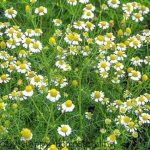
Chamomile
Medicinal Uses: Famous for calming nerves and aiding sleep, chamomile is also helpful for digestion and inflammation.
- Planting Tips: German chamomile (annual) is easier from seed and grows tall. Roman chamomile (perennial) is lower growing and spreads like ground cover. Both enjoy full sun and well-draining soil.
- Best Zones: German chamomile does well in zones 3–9; Roman chamomile prefers zones 4–9.
- Container Growing: Grows well in shallow pots or hanging baskets, especially the Roman variety.
- Harvest & Storage: Harvest flowers when fully open. Dry flat in a dark, airy place. Store in glass jars for tea or infusions.
How to Grow Chamomile in Your Garden

Echinacea
Medicinal Uses: Immune-boosting and anti-viral, echinacea is popular for reducing cold and flu symptoms.
- Planting Tips: Start from seed or transplant. Echinacea likes full sun and can tolerate dry soil once established. It takes two years to mature but is worth the wait.
- Best Zones: Hardy in zones 3–9.
- Container Growing: Best grown in large, deep containers due to its taproot system.
- Harvest & Storage: Harvest roots in the fall of the second year. Clean, slice, and dry them thoroughly. Flowers can also be dried for teas.

Lemon Balm
Medicinal Uses: A calming herb used to reduce anxiety, support sleep, and relieve indigestion. It’s also antiviral and works well in salves.
- Planting Tips: Lemon balm spreads easily, so give it space or use a container. Plant in partial shade if you’re in a very hot climate.
- Best Zones: Perennial in zones 4–9.
- Container Growing: Excellent for pots and containers. Trim often to keep it from getting leggy.
- Harvest & Storage: Pick leaves before flowering for the most potent oils. Dry quickly in a low-heat dehydrator or hang in small bundles. Store away from light and moisture.

Peppermint
Medicinal Uses: Helps soothe stomach issues, relieves headaches, and supports respiratory health. A favorite for teas and steam inhalation.
- Planting Tips: Mint is a vigorous spreader and is best grown in containers. It prefers moist, rich soil and partial to full sun.
- Best Zones: Hardy in zones 3–11.
- Container Growing: Ideal for pots to control spreading. Keep the soil consistently damp.
- Harvest & Storage: Harvest before flowering. Hang in bunches or use a dehydrator. Once dry, crumble and store in airtight jars.
Uses for Peppermint Oil
Everything You Need to Know About Growing Mint

Holy Basil
Medicinal Uses: Adaptogenic, supports stress relief, balances blood sugar, and boosts immunity. Tulsi is also antimicrobial.
- Planting Tips: Start seeds indoors or transplant. It loves warmth, full sun, and well-draining soil. Pinch off flower buds to encourage bushier growth.
- Best Zones: Grows as an annual in most zones but can overwinter indoors.
- Container Growing: Grows well in pots. Place it in a sunny, warm spot and keep soil moist but not soggy.
- Harvest & Storage: Harvest leaves regularly to encourage new growth. Dry whole sprigs or leaves, then store in sealed jars for tea.

Yarrow
Medicinal Uses: Known for stopping bleeding, reducing fever, and aiding digestion. It’s also used topically in poultices and salves.
- Planting Tips: Yarrow thrives in poor soil and needs full sun. It’s drought-tolerant and easy to grow.
- Best Zones: Perennial in zones 3–9.
- Container Growing: Suitable for larger pots. Choose compact varieties if container growing.
- Harvest & Storage: Harvest leaves and flowers in bloom. Dry flat and store in dark containers. Yarrow’s flowers are also beautiful when dried decoratively.

Thyme
Medicinal Uses: Antimicrobial and antifungal. Thyme is great for coughs, sore throats, and boosting respiratory health.
- Planting Tips: Likes full sun and well-draining soil. Avoid overwatering. Prune regularly to keep it from becoming woody.
- Best Zones: Perennial in zones 5–9.
- Container Growing: Does well in small pots or window boxes.
- Harvest & Storage: Harvest sprigs throughout the summer. Dry in bunches or low-heat dehydrator. Strip leaves from stems and store in jars.

Lavender
Medicinal Uses: Soothing for the nervous system, lavender is used to support sleep, relieve stress, and reduce headaches. Also antibacterial and antifungal.
- Planting Tips: Requires full sun and well-draining soil. Don’t overwater. Trim back after flowering to encourage bushy growth.
- Best Zones: Perennial in zones 5–9. Some varieties can handle colder zones with protection.
- Container Growing: Grows beautifully in pots, especially dwarf varieties. Make sure your container drains well.
- Harvest & Storage: Harvest flower spikes just as buds open. Hang to dry in small bunches. Store in glass jars or use in sachets and oils.

Oregano
Medicinal Uses: Antibacterial, antiviral, and a potent antioxidant. Oregano is used to support immune health and fight infections.
- Planting Tips: Plant in full sun and well-drained soil. Prune often to prevent legginess.
- Best Zones: Perennial in zones 5–10.
- Container Growing: Perfect for pots and window boxes.
- Harvest & Storage: Harvest before flowering. Dry sprigs, then remove leaves for storage in an airtight container.
Growing Medicinal Herbs in Pots or Containers
Don’t have a lot of space? No problem. Most medicinal herbs do very well in containers, and some even prefer it to prevent them from spreading wildly (looking at you, mint). Use pots with drainage holes, good quality potting mix, and place them where they’ll get 6–8 hours of sunlight per day. If you live in a particularly hot climate, offer afternoon shade to delicate herbs like chamomile and lemon balm.

Storing Your Herbal Harvest
Once you’ve gathered your herbs, the key to long-term use is proper drying and storage. Always harvest in the morning after the dew has dried but before the heat of the day. Use drying screens, hang in small bunches, or use a dehydrator on the lowest setting. Store herbs in glass jars with tight-fitting lids, away from heat and light.
For herbs like peppermint and chamomile, storing them whole and crushing them only when you’re ready to use will help preserve the oils and medicinal properties longer.
Frequently Asked Questions
Can I grow these herbs indoors?
Yes! Many medicinal herbs like basil, mint, thyme, and lemon balm grow well indoors on a sunny windowsill or under grow lights.
How long do dried herbs last?
Properly stored herbs can last 6 months to a year. Always check for color, aroma, and potency before using.
Can I mix these herbs into salves and tinctures?
Absolutely. Once dried, most of these herbs can be infused into oils or alcohol to make salves, tinctures, and other homemade remedies.
What’s the easiest medicinal herb to grow for beginners?
Lemon balm and peppermint are great starter herbs. They’re forgiving, fast-growing, and have multiple uses.
Can I use fresh herbs instead of dried in teas and remedies?
Yes, fresh herbs are wonderful for teas. Just remember the potency will be slightly less, and you’ll often use more fresh than dried.
Start Small and Grow What You’ll Use
When growing powerful medicinal herbs, you don’t need an enormous garden or years of experience to grow your own medicinal herbs. Even a few pots on a patio or kitchen windowsill can provide you with an abundance of healing. Start with the herbs you know you’ll use, like peppermint for tummy troubles or lavender for a better night’s sleep and let your garden grow from there.
When summer offers such a bounty of sunshine and warmth, it’s the perfect time to plant seeds of wellness. Your homegrown medicine cabinet is only a few herbs away.
More on Medicinal Herbs and Home Remedies
The Best Medicinal Herbs to Always Have in the House
Great Depression Era Home Remedies
Old Fashioned Home Remedies